Communication
Comms Overview
The communications system combines both legacy and newly developed technologies to ensure reliable connectivity between the satellite and ground station. It includes both a heritage antenna deployment mechanism and a newly designed in-house system optimized for faster stowage and reduced surface impact. Signal transmission and reception are handled by two transceiver solutions: a commercial ADDNICS transceiver board and a newly developed in-house communication board. Together with the ground station hardware and software, these components form a complete end-to-end communication chain, supporting command uplink and data downlink throughout the mission.

Documents
Board Designs
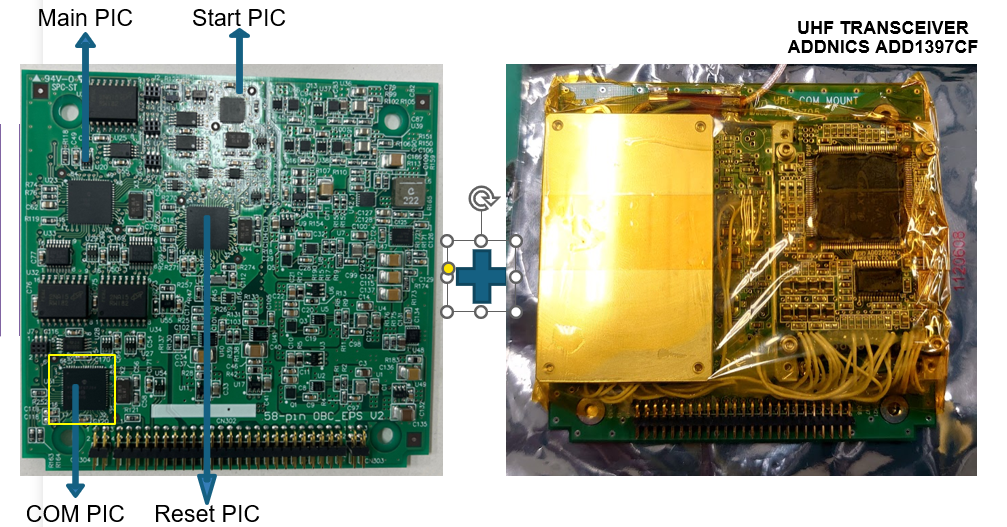
Legacy (Addnics) COM Board
This is the hardware for the COM subsystem. It consists of the COM PIC on the OBC board and the Addnics ADD1397CF. The external dimensions of the COM board are as follows.
Height: 90mm, Width: 86mm, Thickness: 12mm. The included SMA cable is 180mm long.
The Addnics COM board consists of three blocks.
The URX64A is used for the uplink GMSK receiver, the UTX RF for the downlink GMSK transmitter, and the UBTX64A for CW beacon transmission.
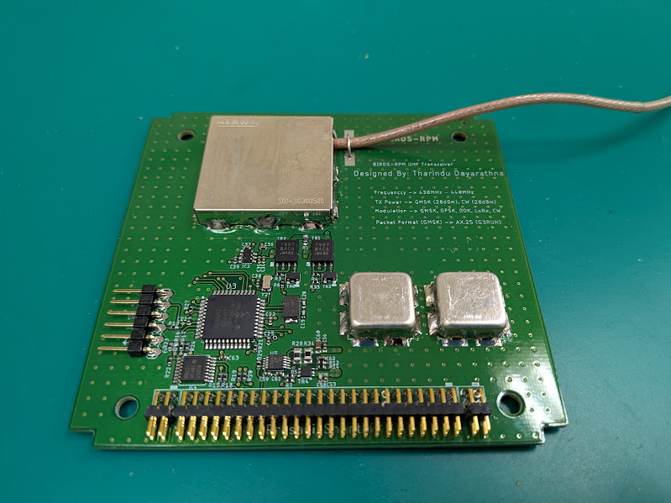
In-House COM Board
The in-house designed communication board provides the critical link between the satellite and the ground station, enabling both data transmission and command reception. It supports downlink operations by relaying mission data to Earth, while also handling uplink commands sent from ground operators.
Serving as the primary interface between onboard systems and external communication infrastructure, the board is responsible for receiving and demodulating uplink signals, as well as modulating and transmitting downlink signals. The system consists of a transmitter, receiver, antenna, and RF coaxial connections, forming a complete and integrated communication chain.
Antenna Deployment Mechanisms
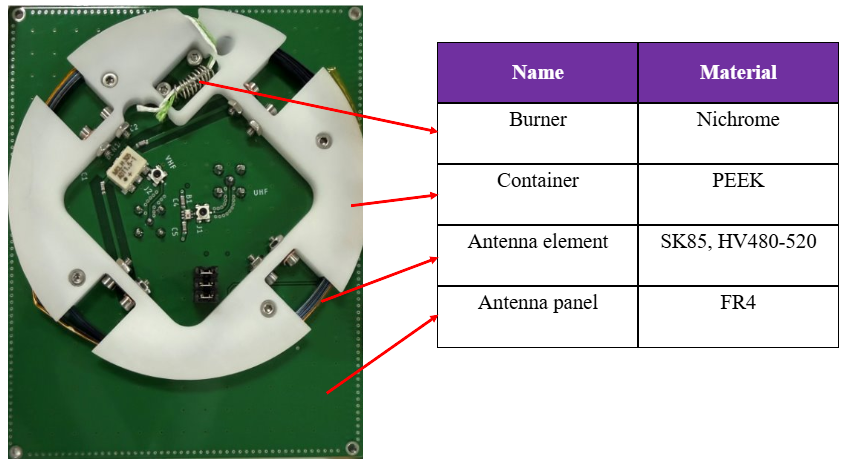
Legacy Deployment Mechanism
The Antenna Deployment subsystem is designed for stowing and deploying UHF antenna and VHF antenna. The BIRDS-RPM CubeSat needs to receive commands from the Kyutech Ground Station and transmit telemetry and mission data to the ground station, and this signal is facilitated by the antenna. Due to the antenna’s length and susceptibility to deformation, it must be stowed in a container and release it at the appropriate time.
New Deployment Mechanism
The new antenna deployment mechanism is designed with a strong focus on reliability, achieving near 100% success rates in testing. It features a simplified retention system that allows for quick and consistent stowage; typically completed within 15 minutes, even by less experienced operators. The design avoids occupying valuable solar cell surface area, maximizing power generation efficiency. In addition, the mechanism is highly flexible, supporting 1U, 2U, 3U, and 6U CubeSat configurations with both UHF and VHF antennas. It is also developed in compliance with JAXA requirements, ensuring compatibility with established launch and operational standards.
Ground Station
GS Setup & Testing
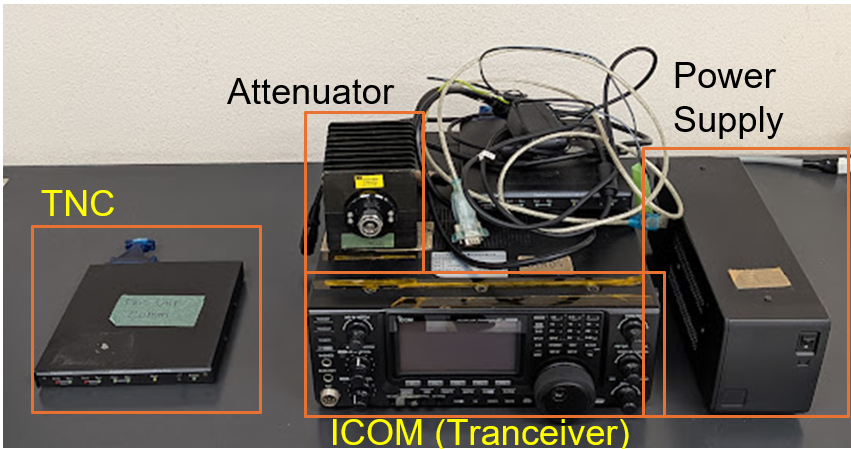
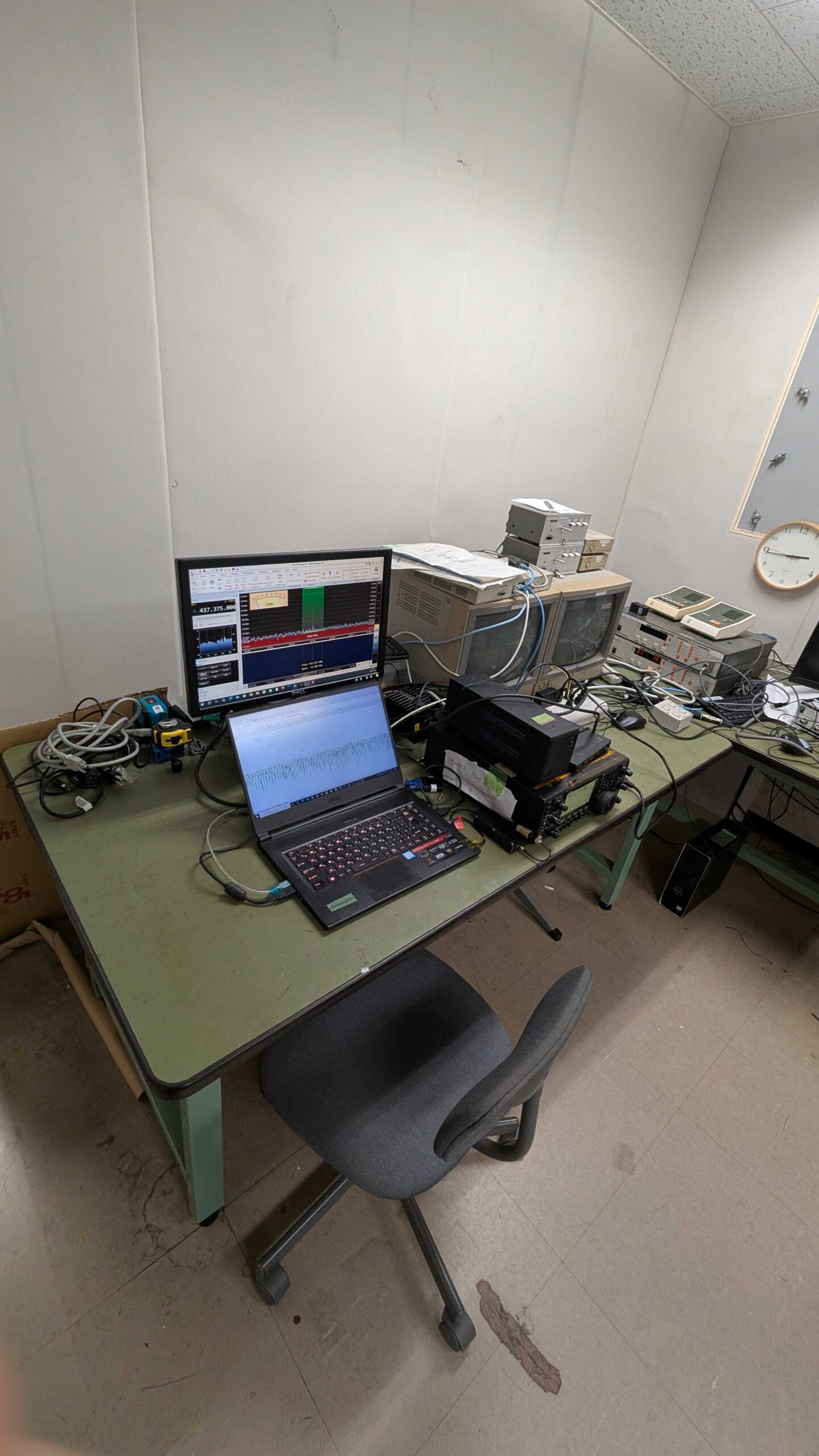
The ground station software is designed to support both uplink and downlink operations through an integrated workflow. For uplink, commands are first generated using a dedicated command generator, where operators select the desired action and obtain the corresponding command code. This code is then transmitted to the satellite via the ground station software.
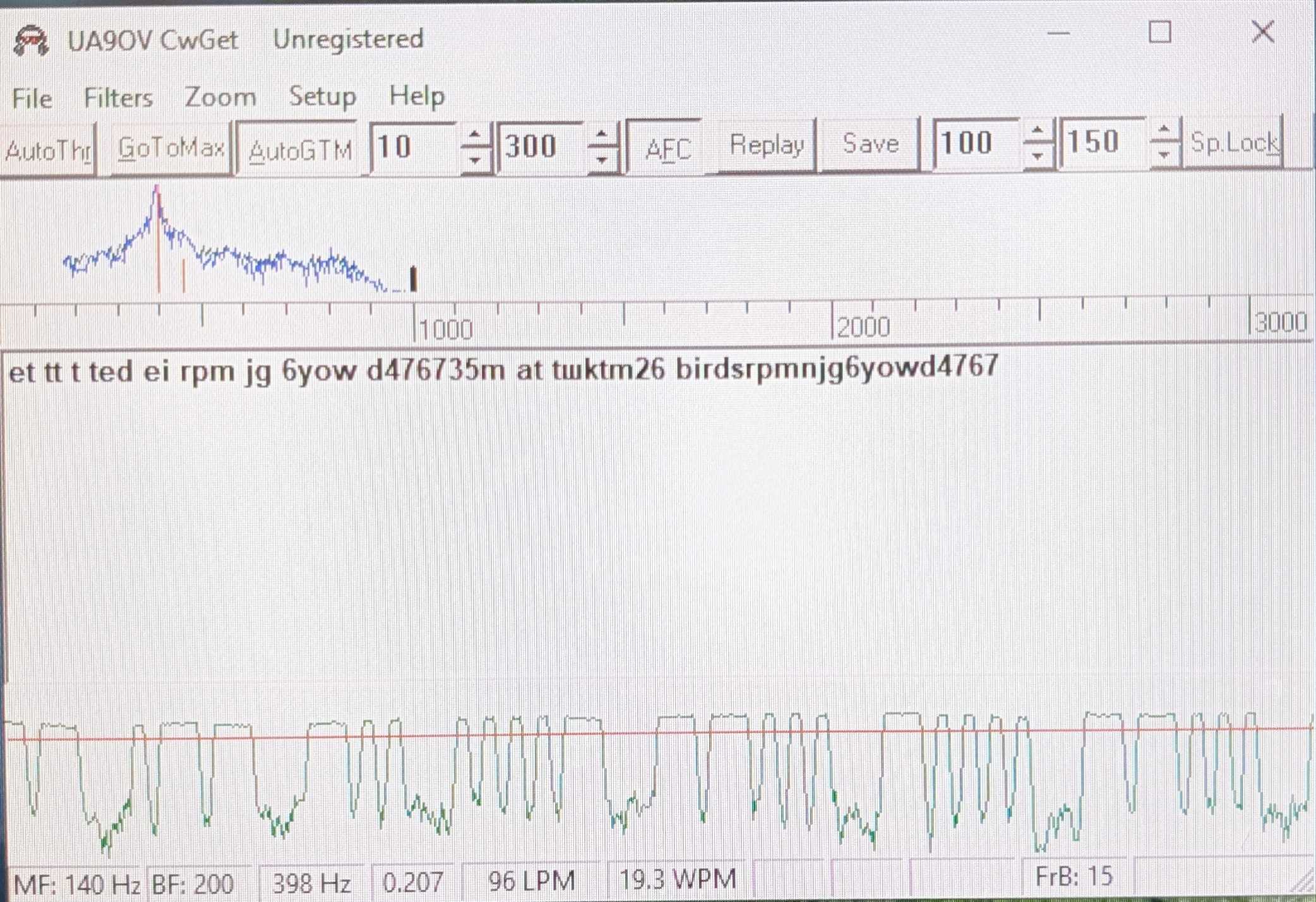
For downlink, signals are received using software-defined radio tools such as SDR Sharp or SDR Console. Continuous wave (CW) signals are decoded using tools like CWget or CW Skimmer, while GMSK signals are processed and decoded directly within the ground station software. Together, these components enable reliable communication and data handling between the satellite and ground systems.